Here Is What a Corona Summer Does to Your Car A/C Every Year
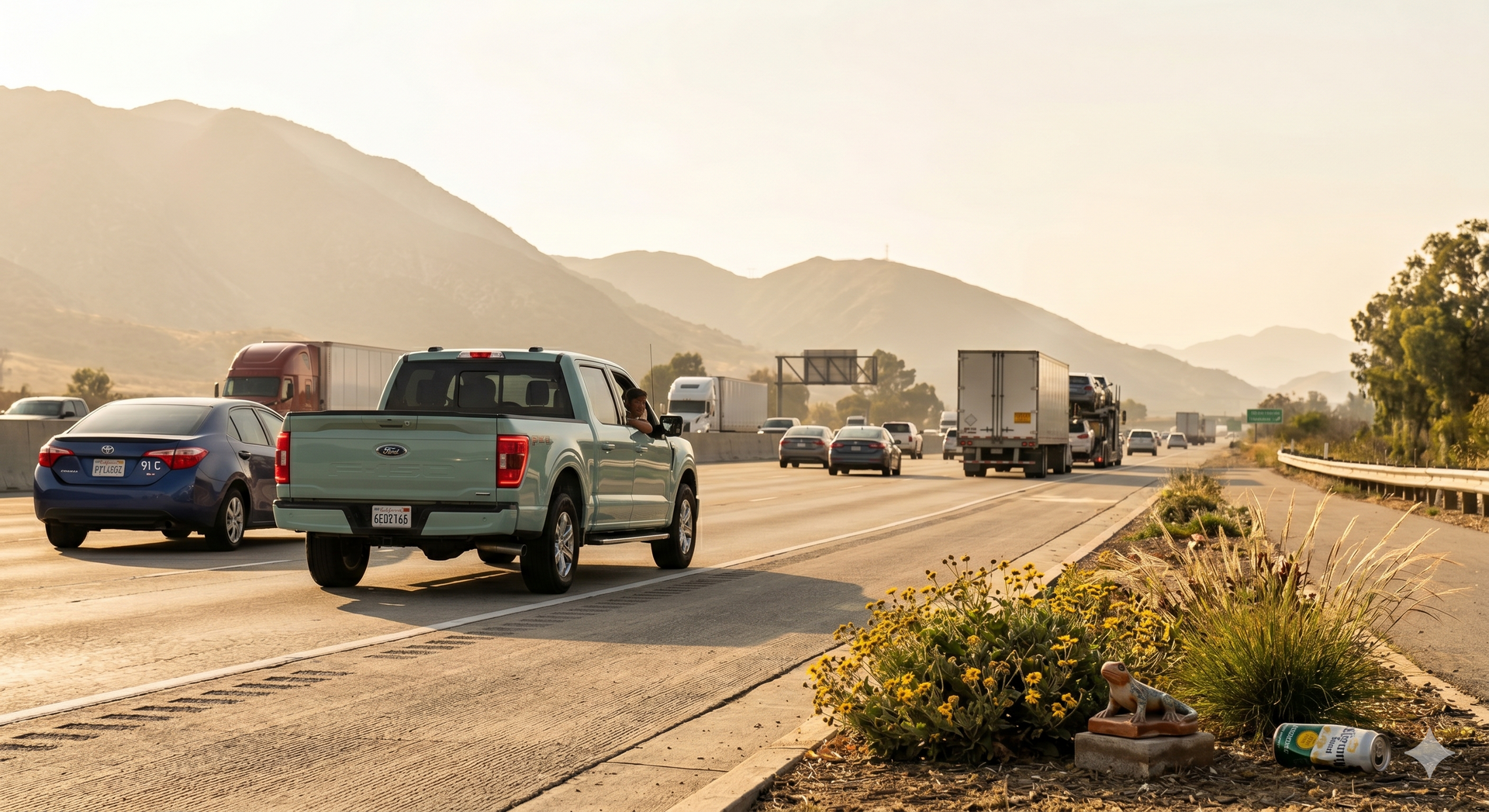
If you have ever sat in traffic on the 15 freeway in July with your A/C blowing warm air, you already know what I am talking about. Corona summers are no joke. Out here in Inland Riverside County, we are not talking about the mild coastal warmth you get closer to the beach. We are talking about triple-digit heat that settles in by late morning and does not let up until well after dark. We’ve been working on vehicles for years, and can tell you firsthand that the A/C systems we see come through the shop in summer tell a story. That story starts months earlier, when the heat first arrives and the damage quietly begins.
Why Corona Heat Is Harder on A/C Systems Than Most People Realize
When temperatures in Corona regularly climb to 105, 108, or even 110 degrees, your air conditioning system is not just cooling the inside of your car. It is fighting against an environment that is working against it constantly. The ambient temperature outside the vehicle directly affects how hard your A/C compressor has to work. The hotter it is outside, the more the system strains to pull that heat out of the cabin.
Drive down McKinley Street or sit at the light near the Crossings at Corona on a July afternoon and your dashboard thermometer says 109. Your A/C is maxed out. That kind of sustained heat exposure wears down components faster than most people expect.
What Actually Breaks Down Under Extreme Heat
Here is what we see most often after a hard Corona summer.
Refrigerant loss is probably the number one issue. The seals and hoses in your A/C system are made to handle a range of temperatures, but repeated thermal cycling, expanding and contracting day after day in extreme heat, causes those seals to degrade. A slow refrigerant leak might not show up right away, but by August you are noticing the air is not as cold as it used to be.
Compressor wear is another big one. The compressor is the heart of your A/C system, and it takes the most abuse. When ambient temperatures are this high, the compressor runs longer and harder to do its job. Over time, the internal components wear down. We see compressor failures spike every summer, especially on vehicles that are a few years old and have never had the A/C system serviced.
Condenser damage is next on the list. The condenser sits up front behind your grille and releases heat from the refrigerant. In the kind of heat we get out here near Green River Road or along the 91 corridor, the condenser gets cooked. Add road debris and the occasional rock from the freeway and you have got a recipe for a leak or restricted airflow.
Blend door actuators and cabin sensors also take a hit. The electronics inside your dashboard do not love extreme heat any more than you do. Over time, components fail and your system starts behaving inconsistently, blowing different temperatures or not responding correctly to controls.
What You Should Do Before Summer Peaks
The best advice we can give you is simple. Do not wait until your A/C stops working to deal with it. By the time you notice a problem in late June or July, you are already behind and you are likely going to be without a working system just like other drivers.
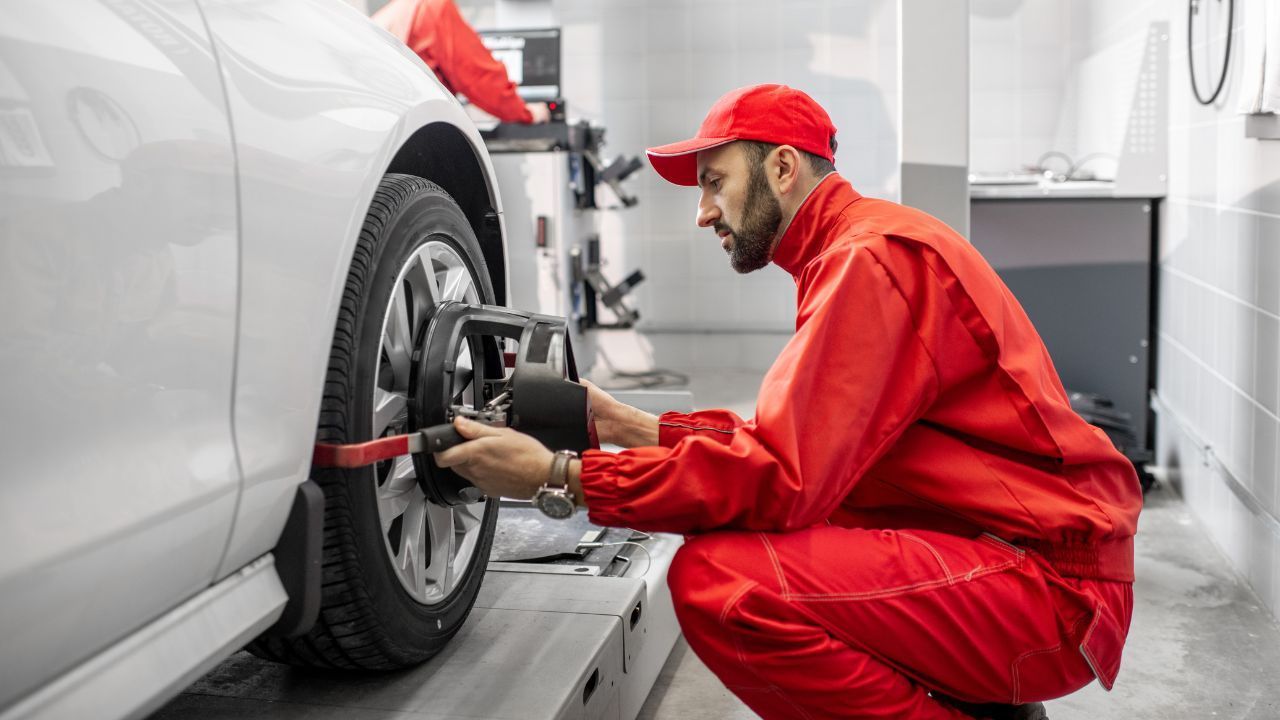
Get your A/C system inspected in the spring. Have a technician check the refrigerant level, inspect the compressor, look at the condenser and evaporator, and test the system under load. If there are small issues developing, catching them early is almost always cheaper than a full repair in the middle of a heat wave.
Also make sure your cabin air filter is clean. A clogged filter restricts airflow and makes your system work harder, which accelerates wear on every other component.
Living in Corona means your car A/C is working harder than vehicles in most parts of California. Give it the attention it deserves before summer arrives and you will stay comfortable on every drive, from the 15 to the 71 and everywhere in between.
Contact Us
Address:
2189 Sampson Ave #101a, Corona, CA 92879
Phone:
(951) 393-0278
Hours: Mon-Fri 8:00 AM - 5:00 PM