What Happens to Your Car A/C When You Park on Hot Asphalt All Day in Corona
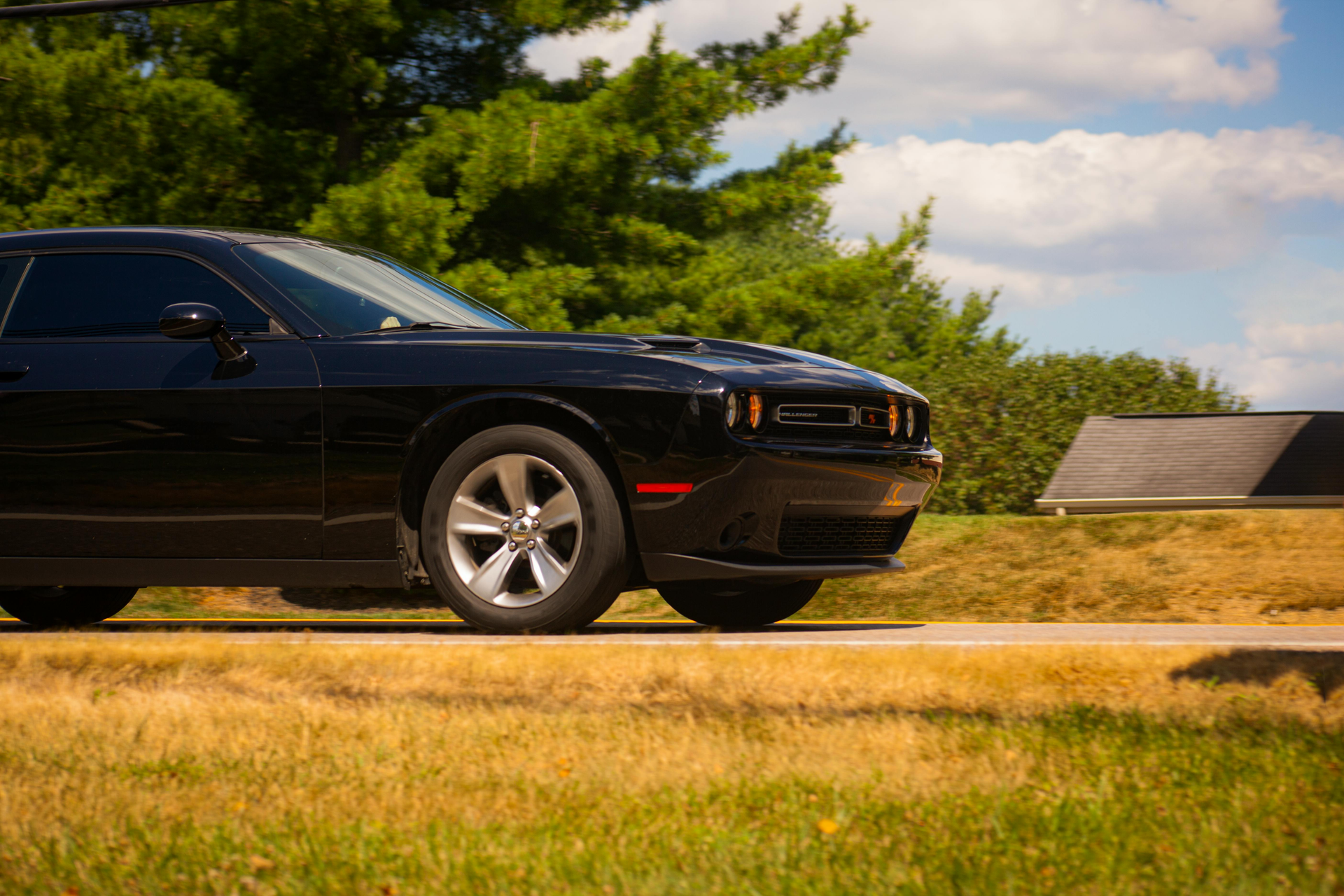
Picture this. You park your car at the Crossings at Corona or in one of the massive business park lots off Sixth Street at 8 in the morning. The temperature is already climbing toward 90. Eight hours later you come back to a car that has been sitting on black asphalt under direct sun in 108 degree heat. You open the door and a wall of superheated air hits you in the face. You start the engine, crank the A/C to maximum, and wait.
That moment happens to Corona drivers every single day, and most people do not realize that the daily cycle of parking on hot asphalt and then demanding immediate maximum cooling performance is one of the most consistent sources of long term A/C system wear we see in our shop.
Why Black Asphalt Makes Everything Worse
Asphalt absorbs heat at a remarkable rate. On a sunny July day in Corona, black asphalt surface temperatures can exceed 150 degrees. Your car sitting directly on that surface is not just dealing with the 107 degree air temperature. It is being heated from below as well, with radiant heat rising up into the undercarriage and working its way through the vehicle from multiple directions.
The large parking lots around the Dos Lagos shopping center, the business complexes near McKinley Street, and the sprawling retail areas along Rincon Street offer almost no shade. Vehicles sit fully exposed for hours at a time. This is not an occasional problem. For many Corona residents and workers, this is a daily reality from May through October.
What this means for your A/C system is significant. The cabin temperature inside a car parked in these conditions can reach 150 to 160 degrees. Every surface inside the vehicle stores that heat. When you start the car and turn on the A/C, the system is not just cooling air. It is pulling heat out of the seats, the dashboard, the headliner, the carpet, and every other interior surface simultaneously. That is an enormous thermal load, and it puts your entire A/C system under immediate, intense stress every single time.
The Components That Take the Most Damage
The compressor bears the heaviest burden. When you start a hot car and immediately demand maximum cooling, the compressor goes from zero to full load almost instantly. Repeated cold starts into full load operation stress the compressor internals, particularly the clutch and the internal seals. We see compressor wear patterns in vehicles that are parked in extreme heat conditions that look older than the mileage would suggest.
Refrigerant hoses and seals degrade faster when they spend hours at extreme temperatures. The rubber compounds used in A/C hoses and connection seals are engineered for a range of temperatures, but sustained exposure to extreme heat accelerates the hardening and cracking process. A hose that might last ten years in a cooler climate may develop seepage or small leaks much sooner in a car that parks on Corona asphalt every summer.
The cabin air filter and evaporator also suffer. When the system is working at maximum capacity trying to cool a 160 degree cabin, airflow demands are at their peak. A partially clogged cabin filter restricts that airflow and forces the evaporator to work harder, which over time leads to freezing, reduced efficiency, and eventually component stress that shortens the life of the system.
Electrical components and sensors inside the dashboard are not immune either. Repeated extreme heat exposure degrades wiring insulation, connector integrity, and the sensors that regulate your A/C system. Erratic behavior, like inconsistent temperature control or a system that seems to work fine some days and poorly on others, often traces back to heat related electrical wear.
What You Can Do to Reduce the Damage
Use a windshield sunshade every time you park. It sounds simple but it makes a measurable difference in cabin temperature. Pair that with window tint if your vehicle does not already have it.
Park in shade whenever it is available. Even partial shade from a light pole or a building edge at the far end of a lot can reduce cabin temperature significantly.
Do not blast your A/C at maximum the moment you start the car after a long hot park. Open the windows for the first minute or two to let the superheated air escape, then run the AC. This reduces the initial load on the compressor and lets the system come up to operating conditions more gradually.
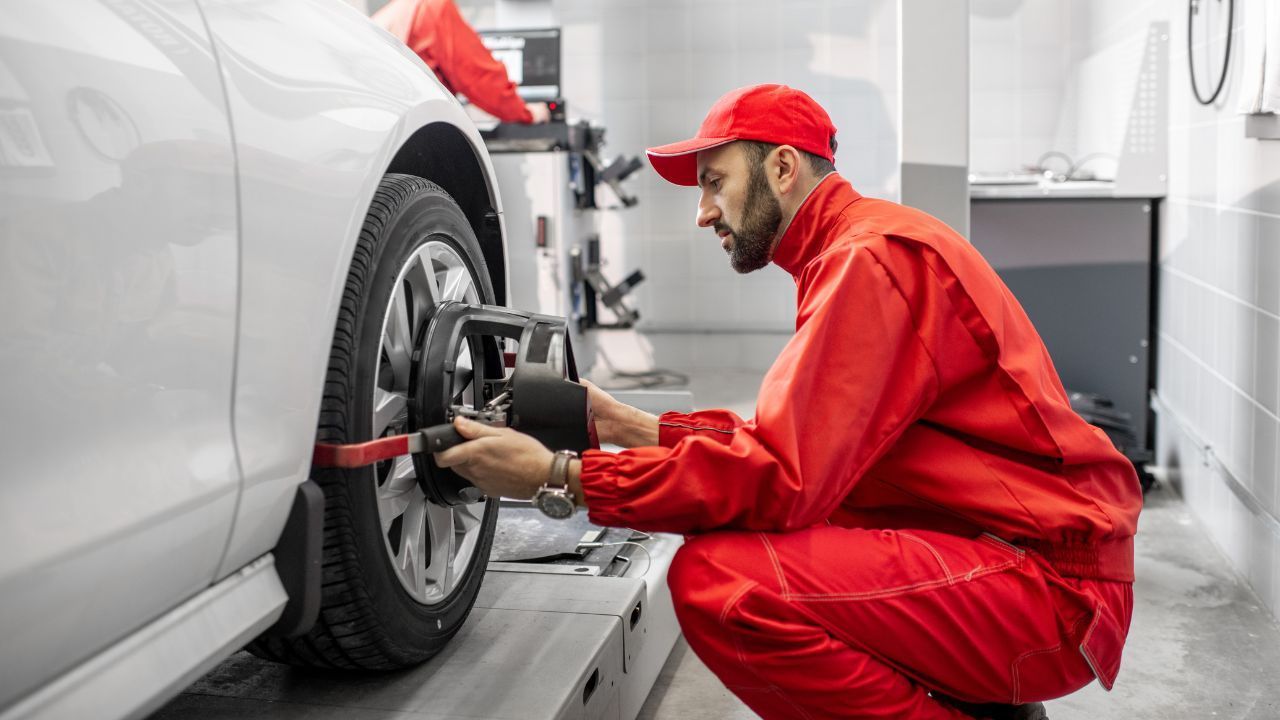
Most importantly, have your A/C system inspected regularly. If you are parking in these conditions every day across a Corona summer, your system is working harder than average. We can help you stay ahead of the wear before it turns into a failure.
Contact Us
Address:
2189 Sampson Ave #101a, Corona, CA 92879
Phone:
(951) 393-0278
Hours: Mon-Fri 8:00 AM - 5:00 PM