Why Your Car AC Cannot Keep Up on the 15 Freeway in July
You know the feeling. You merge onto the 15 southbound near Cajalco Road, the sun is hammering down, your car has been sitting in a parking lot for eight hours, and you crank the AC expecting relief. For the first few minutes, all you get is hot air. Then maybe it starts to cool, but not enough. Not for 107 degrees. By the time you pass the Ontario Avenue exit your shirt is sticking to your seat and you are wondering if something is actually wrong with your car.
Sometimes something is wrong. But even when the system is technically functioning, the 15 freeway through Corona in July creates conditions that push any AC system to its limits. We want to explain what is actually happening under the hood during that drive, because understanding it is the first step to fixing it.
What Makes the 15 Through Corona So Hard on Your AC
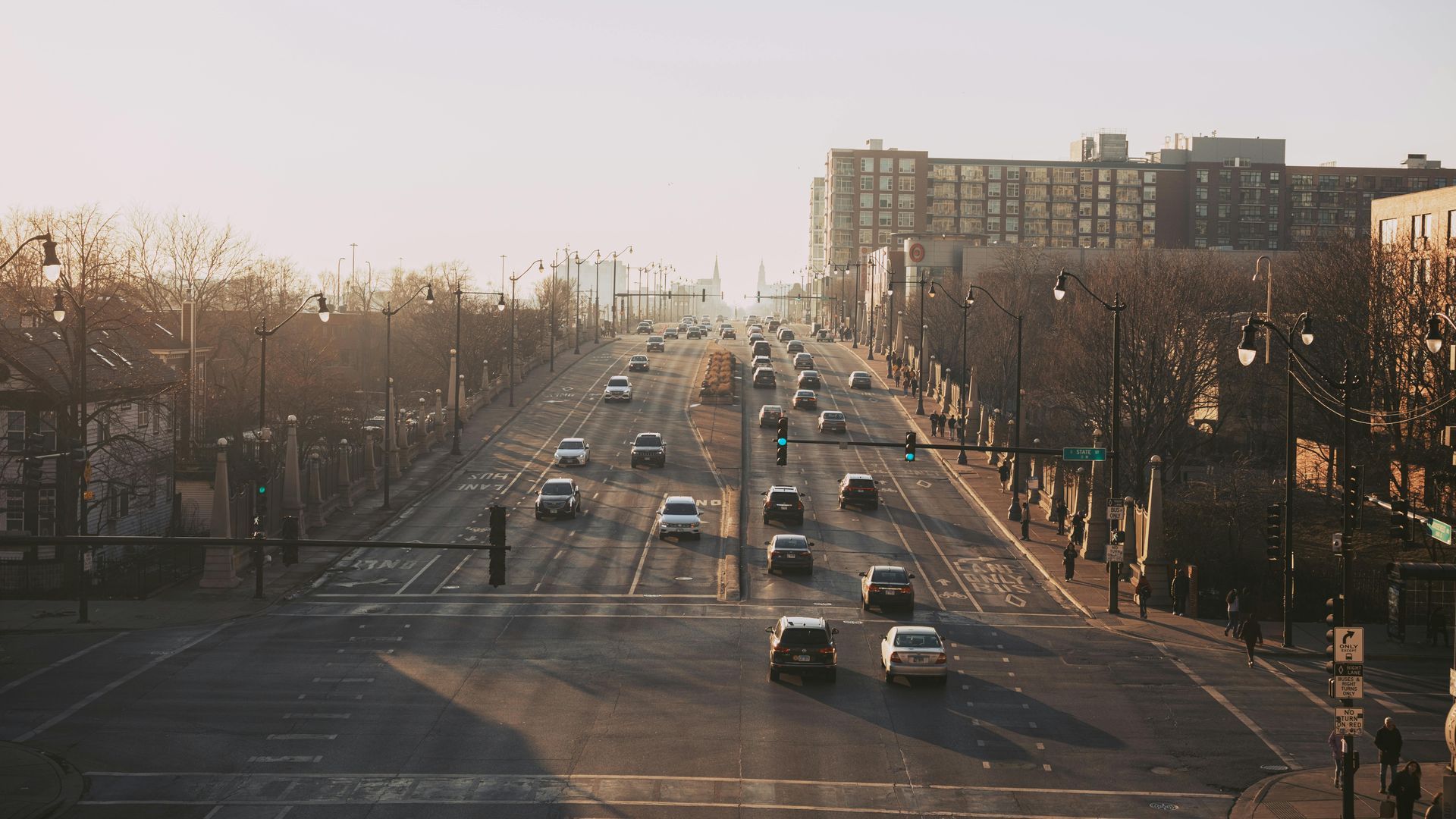
The stretch of the 15 that runs through Corona sits in the heart of Inland Riverside County, one of the hottest urban corridors in all of Southern California. On a July afternoon, air temperatures regularly hit 105 to 110 degrees in this area. The asphalt radiates additional heat upward, and if you are in any kind of traffic between the 91 interchange and Temescal Canyon Road, your vehicle is absorbing that heat with almost no airflow to counteract it.
The Riverside County Transportation Commission approved a new southbound lane between the Cajalco Road interchange and the Weirick Road off-ramp because of increased congestion between Corona and the Temescal Valley, so the slow stretches we describe are well documented.
Your AC system is designed to function within a range of operating conditions. Extreme ambient heat compresses that range significantly. The hotter the air outside, the harder your system has to work to create a meaningful temperature difference inside the cabin. When outside temperatures push past 100 degrees, even a well-maintained AC system struggles to get your interior down to a truly comfortable level quickly.
Add in direct sun exposure through your windshield and side glass, heat radiating up from the freeway surface, and a cabin that has been baking for hours, and your AC is fighting on multiple fronts from the moment you start the car.
The Specific Reasons Your System Falls Behind
Refrigerant pressure problems are the most common culprit. When ambient temperatures are extreme, the high side pressure in your AC system spikes. If your refrigerant charge is even slightly low, or if there is a small leak that has developed over time, the system cannot generate enough cooling capacity to overcome that pressure differential. What felt acceptable in April feels completely inadequate in July.
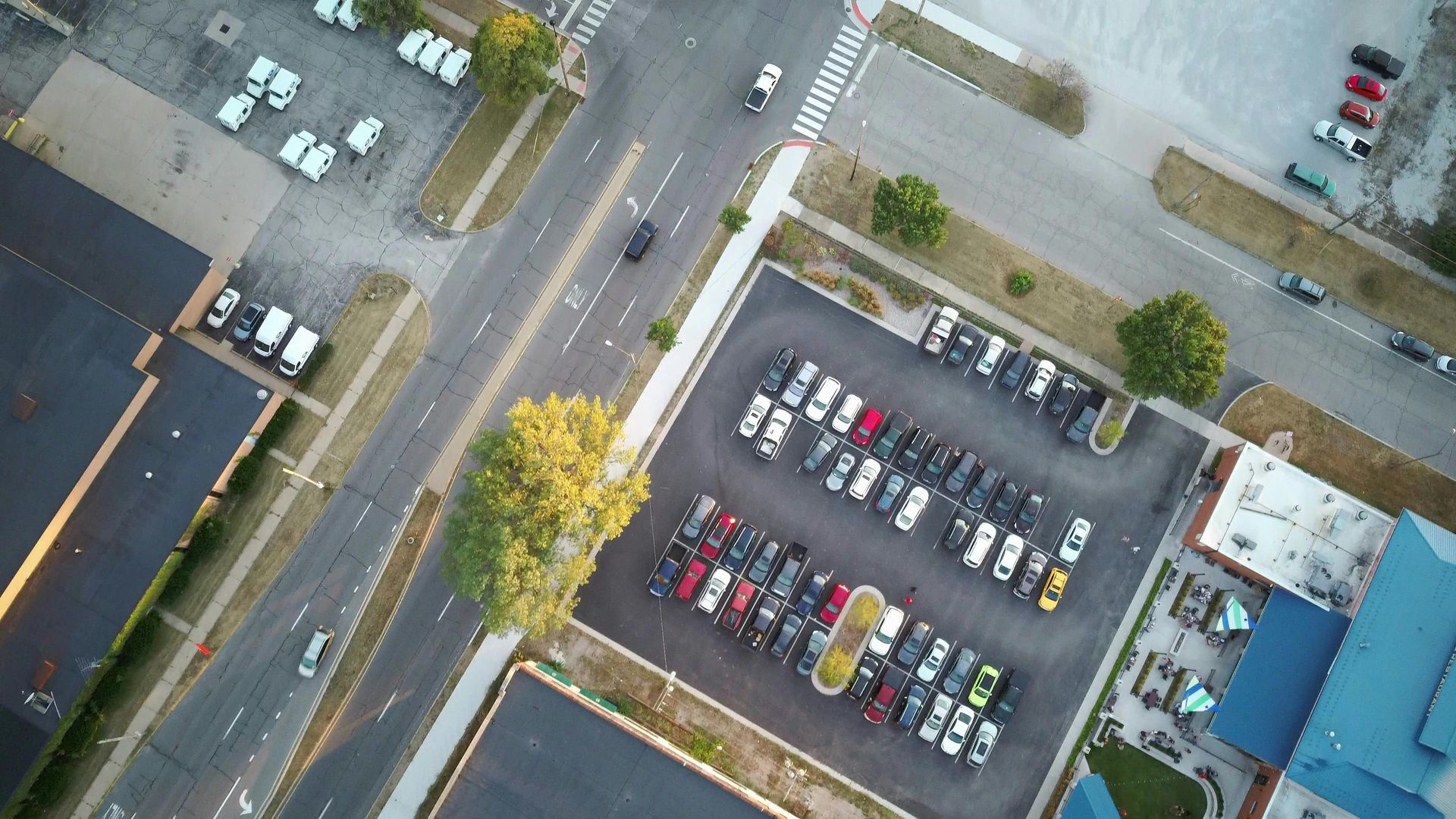
Condenser airflow restrictions become critical in stop and go conditions on the 15. Your condenser needs moving air to release heat from the refrigerant. When traffic slows near the Crossings at Corona or backs up around the 15 and 91 interchange, your electric cooling fans have to compensate. If those fans are not operating at full capacity, or if the condenser fins are clogged with debris from freeway driving, your system loses efficiency fast.
Commuters who spend most of the drive crawling along will also want to understand how stop and go traffic affects a vehicle's A/C, because the cooling fans and compressor cycle constantly in those conditions.
In our experience, an aging or weak compressor will expose itself in extreme heat before it fails completely. You might not notice anything unusual during a short errand in mild weather. But put that compressor under sustained load on a 108 degree afternoon on the 15 and it will start telling you something is wrong through weak airflow, inconsistent cooling, or unusual sounds.
Cabin heat load is a factor that gets underestimated. If your vehicle has been sitting in direct sun in a parking lot off Sixth Street or near the Corona Regional area, the interior temperature can exceed 150 degrees. Your AC system has to pull an enormous amount of heat out of that space before it can even begin to cool things down. Tinted windows and a sunshade help significantly, but even with those, a scorched cabin in Corona summer heat is a lot to ask of any system.
FAQs
Why does my car AC feel weak on the 15 in July when it worked fine in spring?
Extreme heat raises the pressure inside the A/C system, so a small leak or a slightly low refrigerant charge that went unnoticed in April becomes obvious in July. Stop and go traffic and a weak compressor or cooling fan can add to the problem.
Is it normal for the AC to blow warm air for a few minutes after the car sits in the sun?
Some delay is normal because the cabin can exceed 150 degrees after hours in direct sun, and the system has to remove that heat before it can cool. If the air stays warm well after the cabin has cleared, we recommend an inspection.
When should I have my AC checked before summer?
We recommend an inspection in spring, before the worst of the heat arrives. We check refrigerant levels, compressor function, condenser condition, and cooling fan operation so small issues are caught before a July commute.
What You Can Do About It
Start with a proper AC inspection before the worst of summer arrives. We check refrigerant levels, compressor function, condenser condition, and cooling fan operation as part of a thorough system evaluation. Small issues caught early are almost always easier and less expensive to address than a full breakdown in the middle of a July commute.
Our technicians are ASE certified, and shops that earn the ASE Blue Seal of Excellence must have at least 75% of the technicians who perform diagnosis and repairs ASE certified. Customers can also confirm our state registration through the Department of Consumer Affairs license search for the Bureau of Automotive Repair.
Our A/C repair service in Corona covers that full evaluation, from the refrigerant and leak check to compressor and cooling fan testing.
If your AC is already underperforming on that 15 freeway run, do not assume it is just the heat. Bring it in and let us take a look. There is a good chance something is developing that we can get ahead of before it leaves you stranded.
Contact Us
Address:
2189 Sampson Ave #101a, Corona, CA 92879
Phone:
(951) 393-0278
Hours: Mon-Fri 8:00 AM - 5:00 PM