The Effects of Stop & Go Traffic on Your Vehicle’s A/C
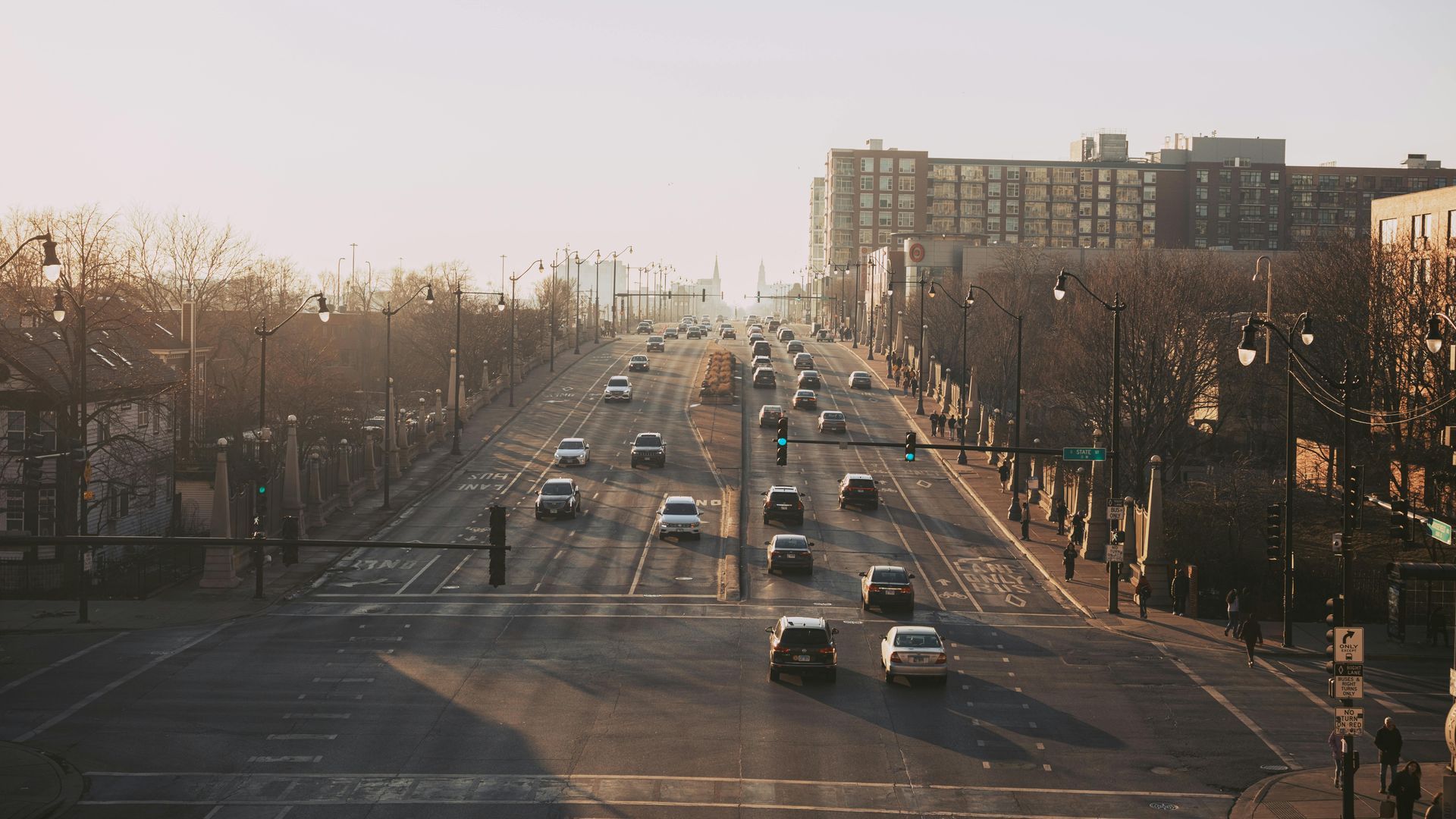
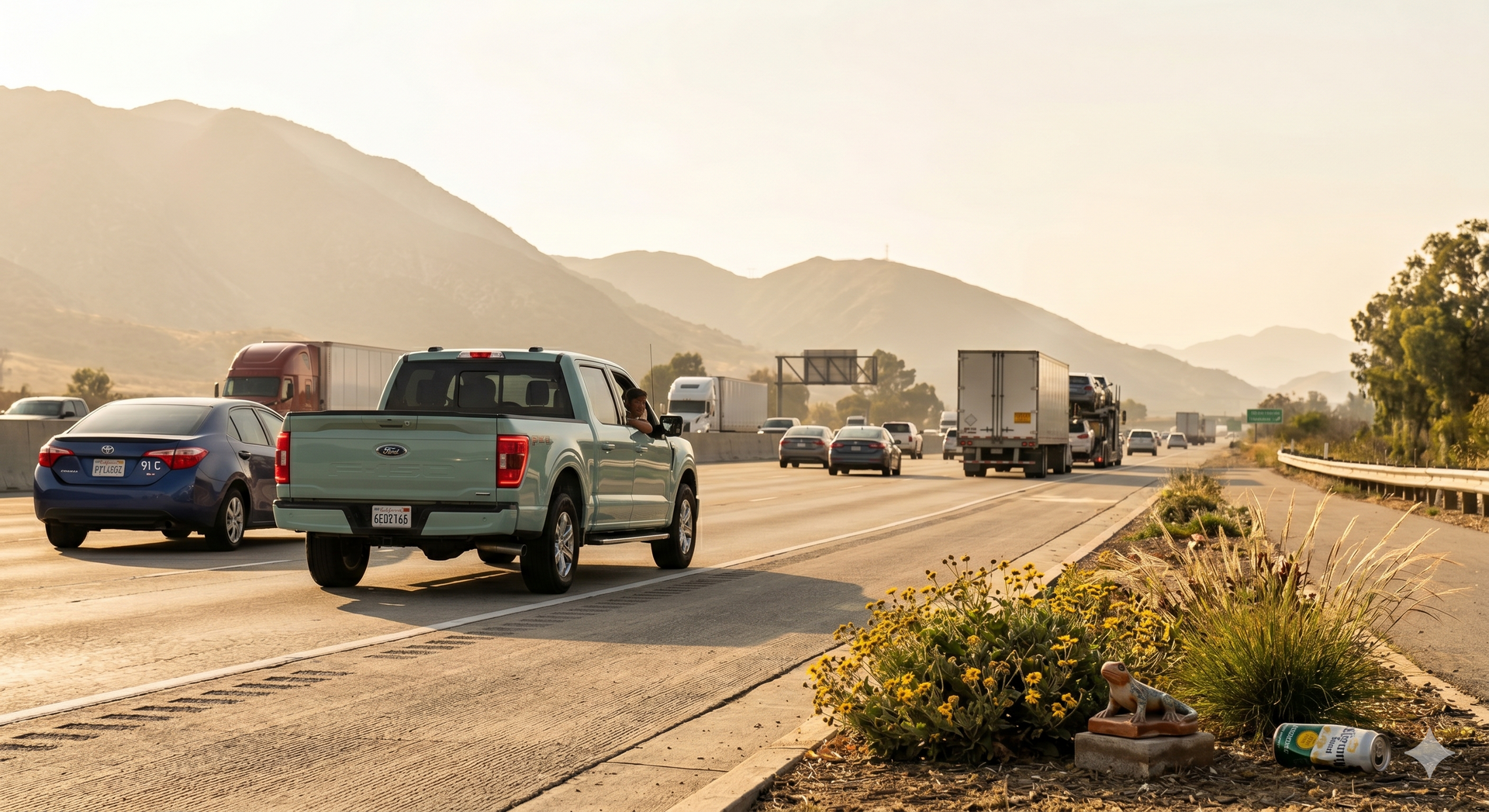
If you live in Corona and work in Orange County or Los Angeles, you already know what the 91 freeway feels like at 7 in the morning. Bumper to bumper from the 71 interchange all the way through Anaheim Hills, sometimes past Knott Avenue, sometimes all the way to the 405. You have your A/C cranked, the sun is already beating through the windshield, and you are sitting still for stretches that feel endless. That commute is one of the toughest in Southern California, and it is doing real damage to your air conditioning system in ways most drivers never connect to their daily drive.
We see it constantly in our shop. A Corona resident brings in their car because the A/C stopped blowing cold. They think it is a freak failure or just bad luck. But when we dig into it, the story is almost always the same. Years of hard commuting have quietly worn the system down until it finally gave out on the worst possible day.
What Stop and Go Traffic Does to Your A/C System
Most people think highway driving is easier on a car than city driving. In some ways that is true, but the 91 westbound in the morning is not real highway driving. It is stop and go traffic at freeway speeds, which creates a specific kind of stress that is particularly rough on your A/C components.
When you are moving freely, airflow through the front of your vehicle helps the condenser release heat from the refrigerant efficiently. When you are stopped or crawling through the stretch near Green River Road or the curve past Yorba Linda Boulevard, that airflow disappears. Your condenser has to work harder, your cooling fans run longer, and the whole system runs hotter than it was designed to in sustained operation.
Over time, this repeated thermal stress wears down the compressor, degrades seals and hoses, and puts pressure on the condenser itself. Add in the fact that you are doing this five days a week in Inland heat that starts climbing before you even reach the county line, and you have a recipe for A/C failure.
The Specific Components That Suffer Most on Long Commutes
The compressor takes the hardest hit. On a long stop and go commute, your compressor is cycling on and off repeatedly for an hour or more each direction. That is a lot of wear cycles every single day. We regularly see compressor failures on vehicles owned by heavy commuters, even when those vehicles are not especially old.
Refrigerant seals and O-rings degrade faster under sustained heat. The constant expansion and contraction from hot California mornings, combined with the heat generated under the hood during slow traffic, causes rubber components to harden and crack over time. A slow leak develops, and you start noticing the air is not as cold as it used to be somewhere around the halfway point of your drive.
The condenser is also vulnerable. Freeway driving means rock chips and road debris, and the stretch through the Santa Ana Canyon is notorious for it. A small puncture in the condenser can cause a refrigerant leak that gets worse with every commute.
The cabin air filter gets overlooked but matters more than people realize. A clogged filter restricts airflow through your evaporator and forces the system to work harder to cool the cabin. On a long commute, that added strain adds up.
How to Protect Your A/C If You Are a Regular Commuter
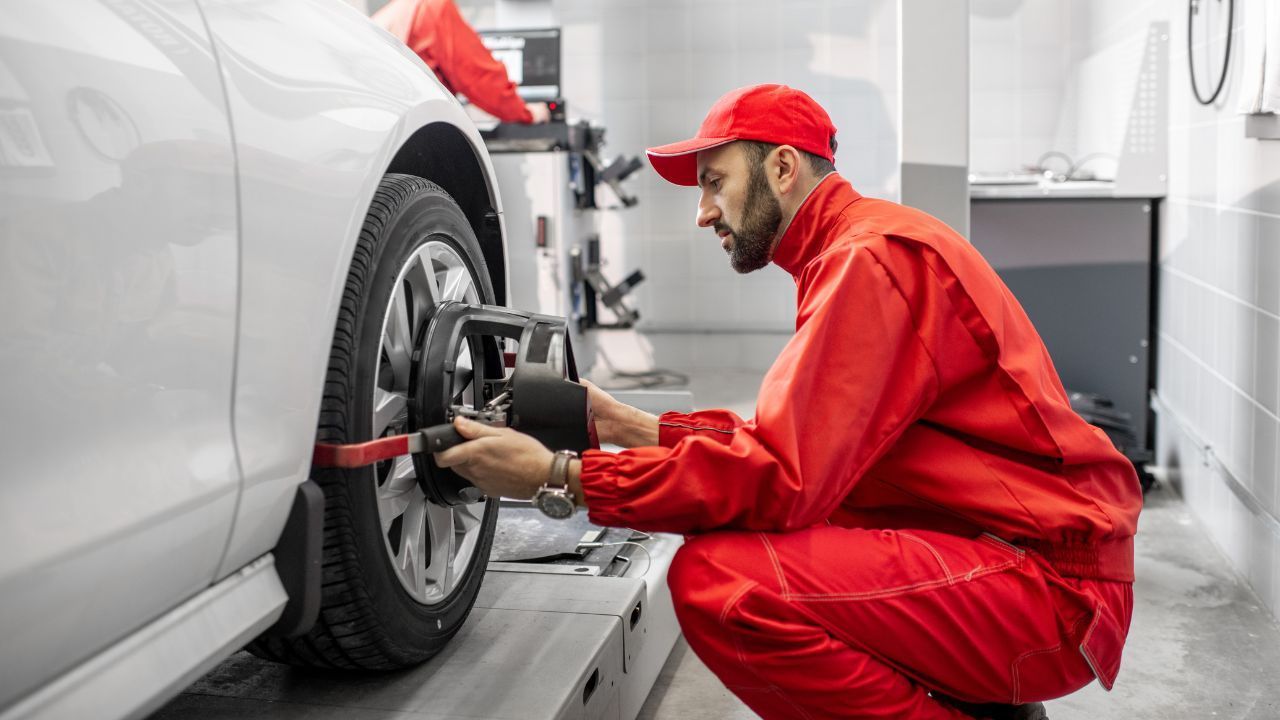
The most important thing we recommend for anyone running the 91 daily is routine AC system maintenance, not just when something goes wrong but on a proactive schedule. Have the refrigerant level checked, the compressor inspected, and the condenser examined for damage at least once a year. Spring is the right time to do this before the summer heat arrives.
Keep your cabin air filter on a regular replacement schedule. Check it every 15,000 miles or at every oil change.
Park in shade whenever you can, especially at your workplace. Reducing the heat load your car carries throughout the day takes some of the strain off the A/C system when you start it back up for the drive home.
Your commute is already stressful enough without your A/C failing on the 91 in August. Stay ahead of it and we can help you keep that system running all year long.
Contact Us
Address:
2189 Sampson Ave #101a, Corona, CA 92879
Phone:
(951) 393-0278
Hours: Mon-Fri 8:00 AM - 5:00 PM