Brake Check: The Unsung Hero of Fall Driving Safety
Bob Cornwall • August 31, 2025
Introduction:
School is back in session, traffic on McKinley Street crawls, and Corona Hills mornings begin to crisp. With every stop sign you roll up to, one system quietly holds your family’s safety in its grip: your brakes. During September’s back-to-school surge, those calipers and pads move from supporting players to front-line heroes, especially when a distracted driver cuts in or a soccer ball bounces into the street.
Yet most drivers only think about brakes when they squeal, grind, or trigger a dashboard light. By then, damage had already started. This month, Super Service of Corona Hills is shining a headlight on preventive brake care because the best emergency stop is the one you never notice.
The Hidden Cost of Ignoring Brake Wear
While modern braking systems are designed to be robust, they are not maintenance-free. The National Highway Traffic Safety Administration (NHTSA) estimates that approximately 25% of car crashes related to mechanical failure are due to brake issues.
Even more striking, many of these incidents could be avoided with regular inspections and routine servicing.
Ignoring brake maintenance can lead to:
- Warped rotors, which cause vibration and reduce control
- Metal-to-metal grinding, which results in expensive repairs
- Brake fade, where stopping power decreases after prolonged use, especially dangerous during downhill drives or emergency stops
By catching wear early, you not only protect your wallet, you keep your loved ones safe.
Physics in the Driver’s Seat: How Brakes Stop a Car
When you press the brake pedal, a precisely engineered chain reaction begins:
- Hydraulic Pressure
Brake fluid converts the mechanical force of your foot into hydraulic pressure, pushing fluid through the brake lines. - Caliper Clamp
This pressure moves pistons inside the brake caliper, pressing the pads against the spinning rotor. This contact creates friction, which slows the vehicle down. - Heat Dissipation
The motion energy of your moving vehicle is converted into heat. Vented rotors and composite pad materials work together to release that heat into the air quickly and safely.
If any part of this sequence falters—such as air in the brake lines, worn pads, or warped rotors—your stopping distance increases dramatically. At 45 mph, just 20 extra feet could mean the difference between a safe stop and a costly accident.
The Telltale Signs You Need a Brake Check
Don’t wait until something “feels off.” Look and listen for these warning signs:
- Squealing or Grinding – Often the first warning from built-in wear indicators or metal-on-metal contact
- Steering Wheel Vibration When Braking – A sign of uneven rotors or pad deposits
- “Soft” or Spongy Pedal Feel – Could indicate air in the brake lines or deteriorated brake fluid
- Longer Stopping Distance – Often the result of pad glazing, low fluid, or caliper issues
- Dashboard Brake Light – A warning for everything from low fluid to ABS malfunctions
Pro Tip: Brakes should be inspected at least every 12,000 miles or once a year—whichever comes first.
Your Fall Brake Checklist
September is your best opportunity to prepare for cooler weather and busier roads. Here’s what we inspect during a comprehensive brake evaluation:
- Measure Pad Thickness
Pads below 3 mm are considered unsafe—replace them before they wear through. - Inspect Rotor Surface
We check for heat spots, glazing, rust, and warping. Resurfacing or replacing rotors ensures smooth, even braking. - Brake Fluid Test & Flush
Brake fluid attracts moisture over time, which reduces its effectiveness. We test it and flush if contamination is found. - Caliper Performance Test
Sticking calipers can cause uneven braking and tire wear. We inspect and lubricate all moving components. - Brake Line & Hose Check
Cracks or leaks in brake lines can cause dangerous pressure loss. We thoroughly inspect for wear and corrosion. - ABS / Traction Control Diagnostic
Your anti-lock system is essential in rainy or emergency braking situations. We perform a scan to catch sensor faults early. - Road Test for Real-World Responsiveness
We take your vehicle on a short test drive to simulate actual braking conditions—hot or cold, hard or gentle.
A 45-minute inspection now can save thousands
in repairs—and more importantly, ensure your safety when every second counts.
Why Trust Super Service of Corona Hills?
At Super Service, your safety is our top priority—and we don’t cut corners when it comes to brake repair. Here’s what sets us apart:
- Master ASE-Certified Technicians with years of experience in modern brake systems
- Digital Inspections complete with high-resolution photos and videos sent straight to your phone
- 3-Year / 36,000-Mile Nationwide Warranty on all brake work for your peace of mind
- Free Alignment Check with every visit
- Loaner Cars & Shuttle Service—we respect your time
- Transparent Pricing & Honest Recommendations—we educate, not up-sell
Bonus Tips for Autumn Safety
Fall driving in Southern California has its challenges. Use these seasonal tips to enhance your brake performance:
- Check Tire Pressure Weekly: Proper inflation ensures even stopping power
- Remove Excess Cargo: Every 100 lbs can add up to 10 ft of stopping distance
- Mind the Leaves: Wet leaves create slick conditions similar to ice, reduce speed, and leave extra space
- Use Engine Braking: On long downhill grades, shift into a lower gear to reduce reliance on brakes and prevent overheating
Did you know? Even minor brake fade
can reduce your stopping power by 30%, especially on downhill roads or during stop-and-go traffic.
Conclusion:
Corona Hills roads are getting busier, mornings are growing colder, and your schedule is more packed than ever. Don’t let worn brakes sneak up on you. With one visit, we can help ensure your car is ready for school zones, rain-slick roads, and unpredictable traffic.
Schedule your comprehensive brake inspection today at
www.superserviceofcoronahills.com
and drive into fall with total confidence.
Because when it comes to your safety, stopping power is everything.

A failing AC compressor gives off clear warning signs before it quits completely. Corona drivers should know these 7 signals before the system fails entirely.
Understanding how your car AC system works makes it easier to spot problems early and avoid costly repairs. Here is a plain language breakdown for drivers.

Your car AC working fine in the morning but failing by afternoon is a common Inland SoCal problem. Here is what is causing it and how to fix it.
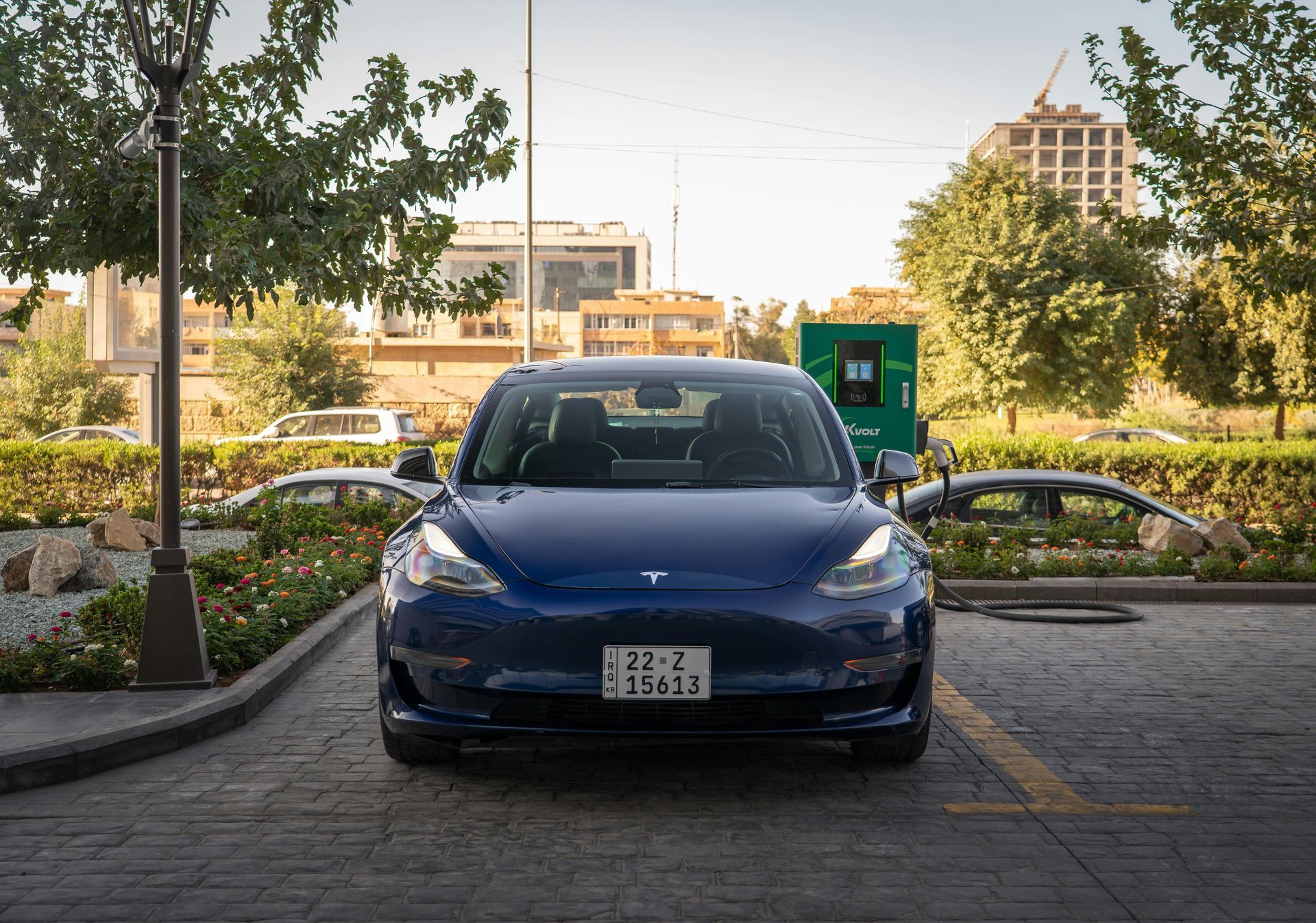
EV and hybrid AC systems work very differently from gas-powered cars. Corona drivers should know what that means for performance, repairs, and maintenance.

Corona commuters on the 91 face brutal stop and go traffic daily. Find out how that grind is quietly wearing out your car A/C system faster than you think.
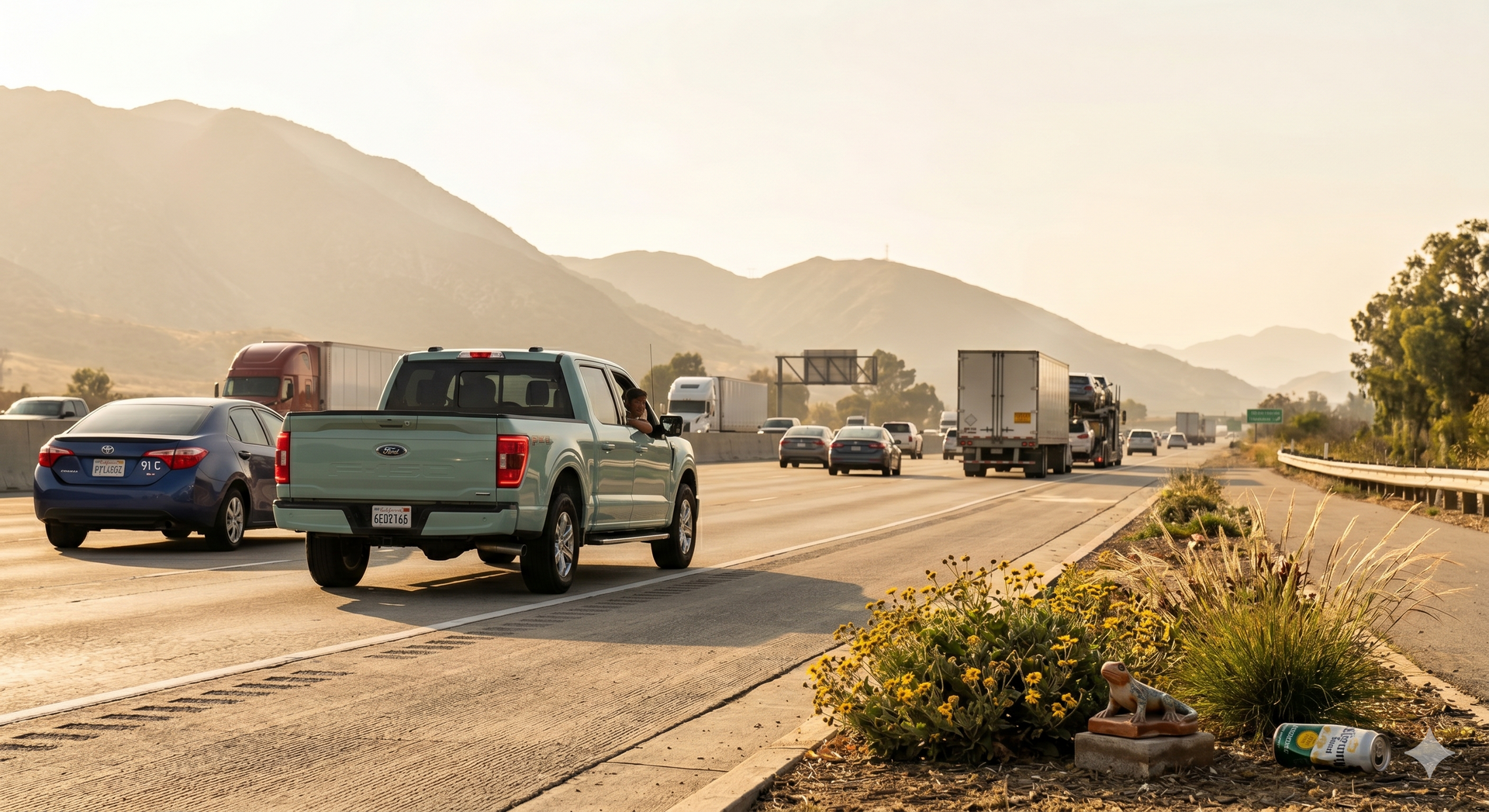
Driving the 15 through Corona in July heat is brutal on your car AC. Here is what is really happening when your system cannot keep up on that drive.
Expert brake repair services in Corona Hills, CA at Super Service of Corona Hills. Ensure safety & performance. Visit us today!
Parking on black asphalt in Corona heat all day puts serious stress on your car A/C. Learn what is happening and how to protect your system before damage sets in.
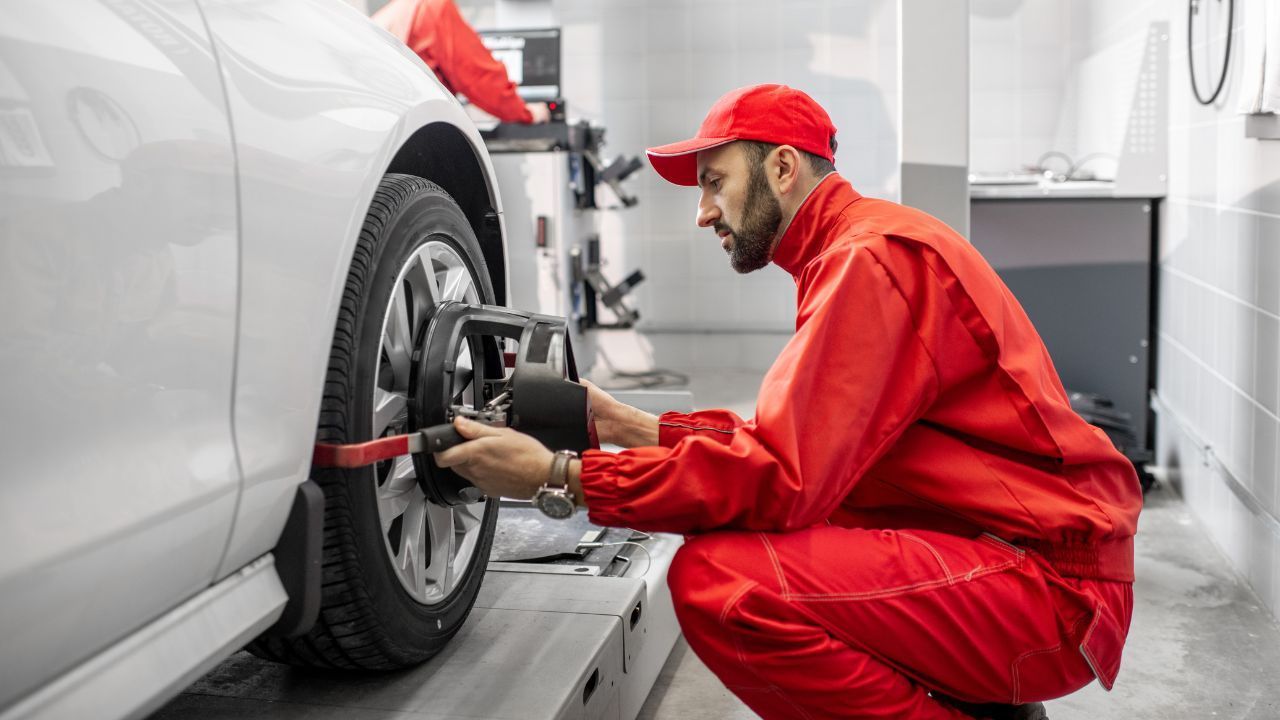
Learn why wheel alignment is important for car safety in Corona Hills. Discover the warning signs, safety risks, and benefits of timely alignment service.

Corona summers push your car A/C to the limit. Learn what extreme Inland heat does to your system and how to protect it before it fails.